
Stressed pets need mental stimulation too! Discover how to support your dog or cat through change. Calm and happy Pets.
For pet owners packing boxes, signing leases, or combining households, the hardest part is often seeing how life changes affecting pets can show up in small, confusing ways. During one move, a normally easygoing pet in my home started acting “off,” which I initially blamed on stubbornness, until it clicked that the real issue was a disruption in its routine. To keep a cat or a dog calm and happy is sometimes not so easy.
Common household changes, new sounds, new smells, and new schedules can tug at a pet’s emotional health long before anything looks “serious.” Recognizing the impact of moving on pets and other transitions helps caring owners respond with steadier support.
👉 “Tired of chewing, barking, and digging? Brain Training for Dogs is the answer. Get it here!
Calm And Happy Pets. Understanding Pets’ Need for Stability
Pets are emotionally sensitive because their world is built on predictable patterns. A steady schedule helps them feel safe, and a daily routine can lower stress when everything else feels unfamiliar. When that predictability breaks, their anxiety often shows up through behavior rather than “sadness.”
That is why changes like a new home, a new roommate, or a new work shift can lead to mood swings, clinginess, or accidents. Much stress in pets can manifest in subtle ways that are easy to misread as attitude or bad habits. Consistent care acts as a buffer, providing your pet with a few dependable touchpoints each day.
Think of it like moving a child to a new school. If bedtime, meals, and morning walks stay the same, the rest feels less scary. Your pet uses those familiar moments as proof that life is still secure. That stability becomes even more important when your own schedule shifts during an intense, flexible-at-home nursing program.
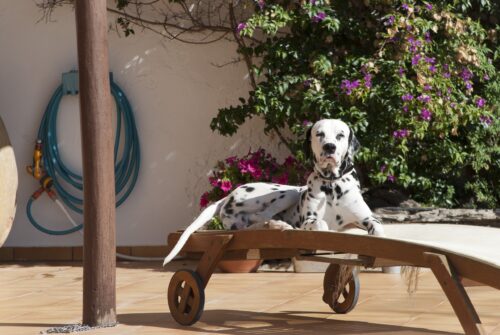
Keep a Pet-Steady Day While Your Schedule Changes Big-Time
If you’re making a career transition, like starting a demanding, flexible-at-home nursing master’s track, earning an online degree can help you stay present while you learn. Because coursework can often fit around your household’s rhythm, you can keep key “anchor” routines (like morning and evening check-ins) steadier than you might with a fully in-person schedule. Options such as an accredited online FNP degree can support that at-home structure while you work toward becoming a family nurse practitioner who takes a hands-on role in diagnosing and treating patients.
Calm and Happy Pets. 7 At-Home Moves to Ease the Transition
Big life changes don’t have to mean big pet stress. Use these at-home moves to keep the “pet-steady day” you’ve been protecting, while still letting your pet adapt at a pace their nervous system can handle.
- Build a one-room “comfort zone” first: Pick a quiet room or corner and set it up with a bed, water, and a few familiar-smelling items (an unwashed blanket, a favorite toy). Feed treats there and keep foot traffic low so your pet learns, “This spot is safe.” This is especially helpful during moves, renovations, guests, or a new work/school schedule.
- Keep your anchors, then slide everything else by 5–10 minutes: Hold steady to the non-negotiables from your pet’s day, wake-up, first potty break, and the main meal, then adjust other pieces gradually. If your nursing program weeks are unpredictable, shift walk/play times in small increments every 2–3 days rather than a sudden overhaul. Gradual routine changes for pets help prevent “what’s happening?” anxiety spikes.
- Pre-load transitions with brief rehearsals: Practice the stressful part in small doses before it’s “real.” Put on shoes and grab keys, then sit back down; close the laptop and stand up, then offer a chew and resume normal life. This teaches your pet that cues (backpack, scrubs, suitcase) don’t always predict separation or chaos.
- Use positive reinforcement like a plan, not a vibe: Choose 1–2 replacement behaviors you can reward on purpose, “go to mat,” “sit,” or “quiet.” Mark the moment they do it, then deliver a small treat or calm praise within 1–2 seconds so the lesson lands. For anxious pets, rewarding calm choices builds a toolkit they can use when the environment changes.
- Lower baseline stress with enrichment that fits your schedule: Aim for one daily “brain job” (5–10 minutes) such as sniffing games, puzzle feeding, or a short training session. Pair it with a longer-lasting chew during your time blocks (online lecture, meeting, study sprint) to keep your pet settled while you’re busy. Stress reduction for pets often starts with meeting their needs before they get wound up.
👉 “Ready for a calmer, smarter, happier dog? Click here to unlock Brain Training for Dogs today!
- Make your presence predictable, even when your hours aren’t: If your schedule swings, add a consistent “together cue” like a 3-minute cuddle on the same chair, after the same event (first coffee, after clinical, after school pickup). Research from the Institute for Human-Animal Connection found heart rate responses were lower when a dog was present during a stressful task, which is a good reminder that calm, reliable contact can be regulating for both of you.
- Set a simple monitoring rule and get help early if needed: Track sleep, appetite, potty habits, and any new behaviors (pacing, hiding, vocalizing) for 7–10 days during major change. If you see escalating fear, a refusal to eat for a day, or sudden aggression, loop in your veterinarian; pet transition support may include medical checks and behavioral guidance to prevent a spiral.
Questions Pet Parents Ask About Change and Stress
Q: What if my pet “never adjusts” after a move or new schedule?
A: Most pets do adapt, but the timeline varies by temperament and past experiences. Think in weeks, not days, and look for small wins like eating normally or choosing to rest. Keep changes predictable and reward calm behavior to help their confidence grow.
Q: How can I tell stress from a medical problem?
A: Sudden appetite loss, vomiting or diarrhea, limping, or new bathroom accidents can be health issues even if a change is happening. If your pet skips meals for a day, seems painful, or rapidly worsens, call your veterinarian. When in doubt, it is always okay to check.
Q: Why is my pet clingy or following me everywhere now?
A: Big transitions can make your pet seek extra safety cues from you. Short, planned connection breaks help, and a calm touch can be helpful since a controlled trial found that people who interacted with a dog had decreased stress. Pair your departures with a chew or food puzzle so independence feels rewarding.
Q: Can I “spoil” my pet by comforting them when they are scared?
A: You cannot reinforce fear like a trick, but you can reinforce calm. Comfort briefly, then redirect to a simple behavior, such as “go to bed,” and reward that choice. If fear escalates, reduce the trigger and try shorter exposures.
Q: When should I consider a trainer or behavior professional?
A: Get help early for growling, snapping, panic, or ongoing house soiling, especially if it lasts more than a week or two. A qualified professional can interpret behavioral problems and give you a plan that fits your home. Early support prevents habits from becoming the new normal.
Create a Calm New Normal for Your Pet After Big Changes
Big changes can leave pets unsettled, eating, sleeping, and behavior can wobble even when everything is “fine” on paper. The most helpful approach is mindful pet ownership: steady routines, gentle support, and ongoing attention that meets stress with patience rather than pressure. When you focus on key takeaways for pet care and support for pets during change, daily life becomes more predictable again, and long-term pet well-being stays front and center. Consistency, not perfection, is what helps pets feel safe during change. Over the next two weeks, choose one routine to protect, one stress-reducer to add, and one simple way to track progress. Those small choices build resilience and strengthen the bond that carries your pet through whatever comes next.
👉 “Tired of chewing, barking, and digging? Brain Training for Dogs is the answer. Get it here!
Guestpost by Mia Price
Mia Price is the founder and head writer for Spirit Pup. Mia is a pup parent, animal lover, and post-grad student. She created the website to help pet parents provide their pups with physically healthy and mentally enriching lives.
Mia’s dog is named Autumn.